Wildlife Corridors Report
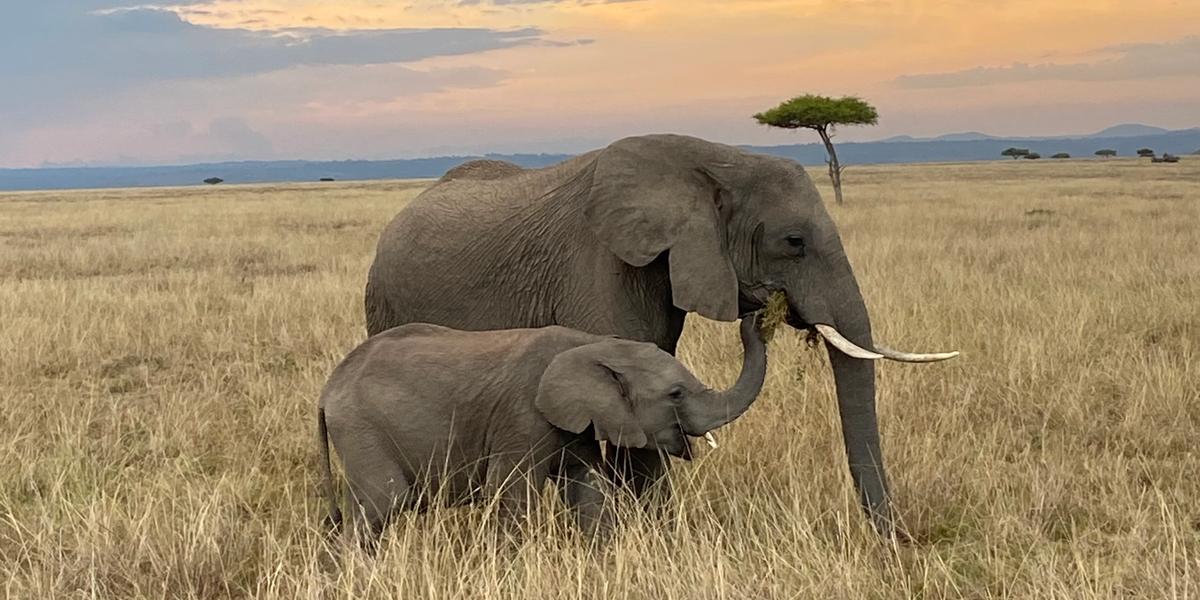
Conserving Wildlife Corridors in a Rapidly Developing Kenya
For my MPP policy report, I will be developing a research-driven document that demonstrates the importance of conserving wildlife corridors in the current development context. The report addresses the increasing degradation and fragmentation of corridors resulting from infrastructure expansion, urban growth, and intensified human activity.
Wildlife corridors are essential for species migration, genetic diversity, and ecosystem stability. Their loss disrupts migration routes, increases human–wildlife conflict, and weakens entire ecosystems. These impacts are particularly visible in Kenya, where rapid infrastructure and economic development increasingly intersect with critical wildlife landscapes.
A central argument of this report is that conservation is development. In the African context, sustainable management of natural resources is not a barrier to progress but a foundation for long-term economic resilience, ecological stability, and community livelihoods. Development should not be measured solely by concrete and roads, but also by the protection of systems that sustain people, wildlife, and economies.
Focus Areas of the Policy Report
The report will focus on three key areas:
1. Importance of Wildlife Corridors
- Ecological role in species migration and ecosystem connectivity
- Economic value through ecosystem services, tourism, and climate resilience
- Social implications, including reduced human–wildlife conflict and community well-being
2. Planning and Integration of Corridors
- Infrastructure planning in developed and undeveloped areas
- Corridor design in urban versus rural landscapes
- Policy tools for integrating conservation into land-use and development planning
3. Maintenance and Governance
- Long-term management and monitoring of corridors
- Community involvement and indigenous conservation knowledge
- Financing mechanisms and institutional responsibility
Methodology and Approach
- Policy analysis and review of existing legislation
- Case studies from Kenya and comparable contexts
- Engagement with conservation practitioners and policymakers
- Integration of environmental economics and development planning principles
Implementation
This policy report will be conducted by me as part of my academic and professional placement within a conservation-led organisation, where I will help spearhead research, stakeholder engagement, and policy recommendations. The aim is to produce a practical, actionable document that can inform planners, policymakers, and conservation actors working at the intersection of development and biodiversity protection.